VILLA HELLENA

Ugar Bajbuk
The Ugar–Bajbuk site represents an important Late Neolithic settlement situated on a loess island in the hinterland of the Tamiš River near Opovo.
Archaeological investigations conducted since 1979 have identified this site as a settlement belonging to the final phase of the Vinča culture (Vinča–Pločnik phase), with pronounced influences of the Tisza culture. The settlement covered an area of approximately 5 hectares and remained inhabited for around 200 years.
The fortified settlement, surrounded by a system of circular ditches, is characterized by three construction horizons. All residential structures were built from locally available materials, and their destruction by fire enabled the excellent preservation of the archaeological remains.
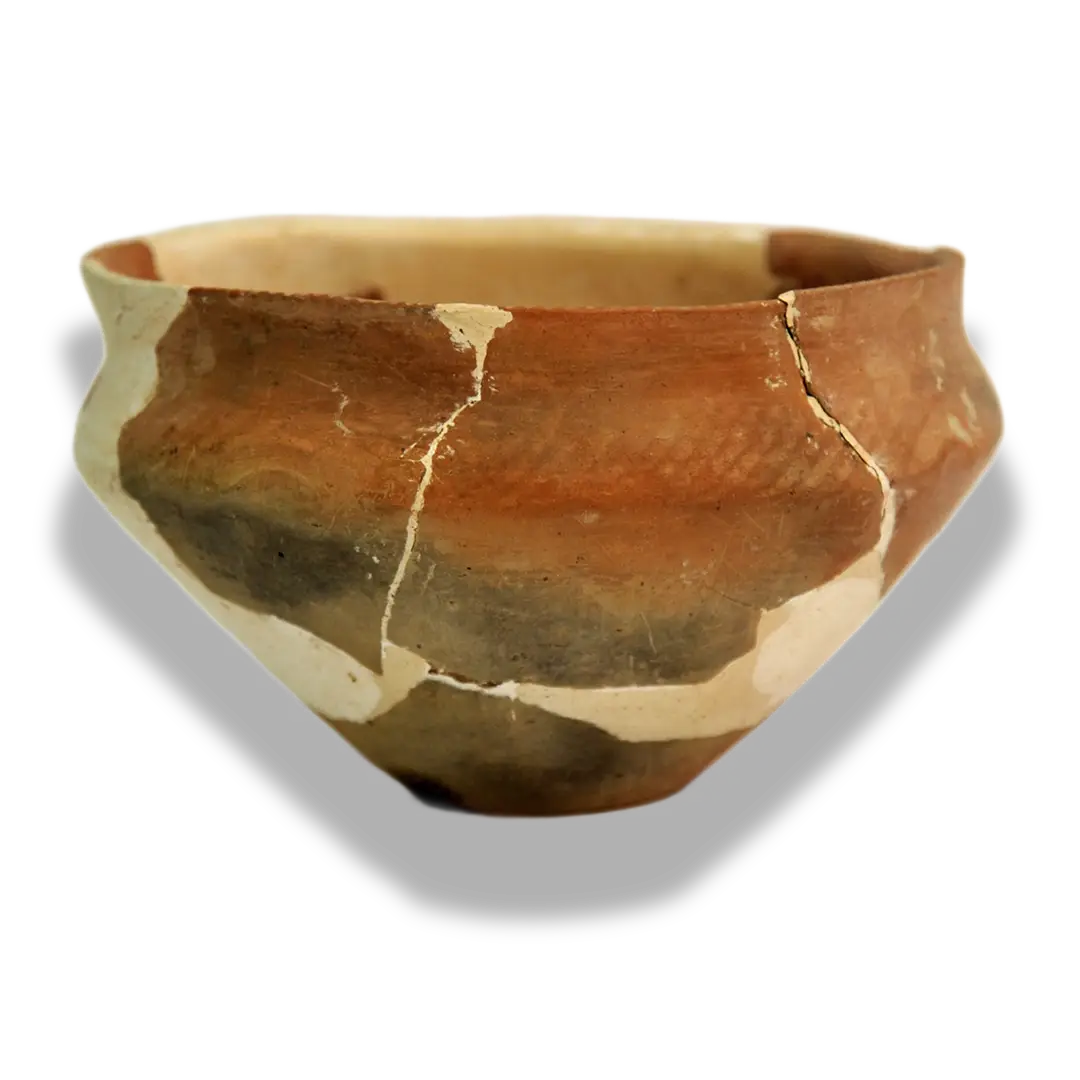
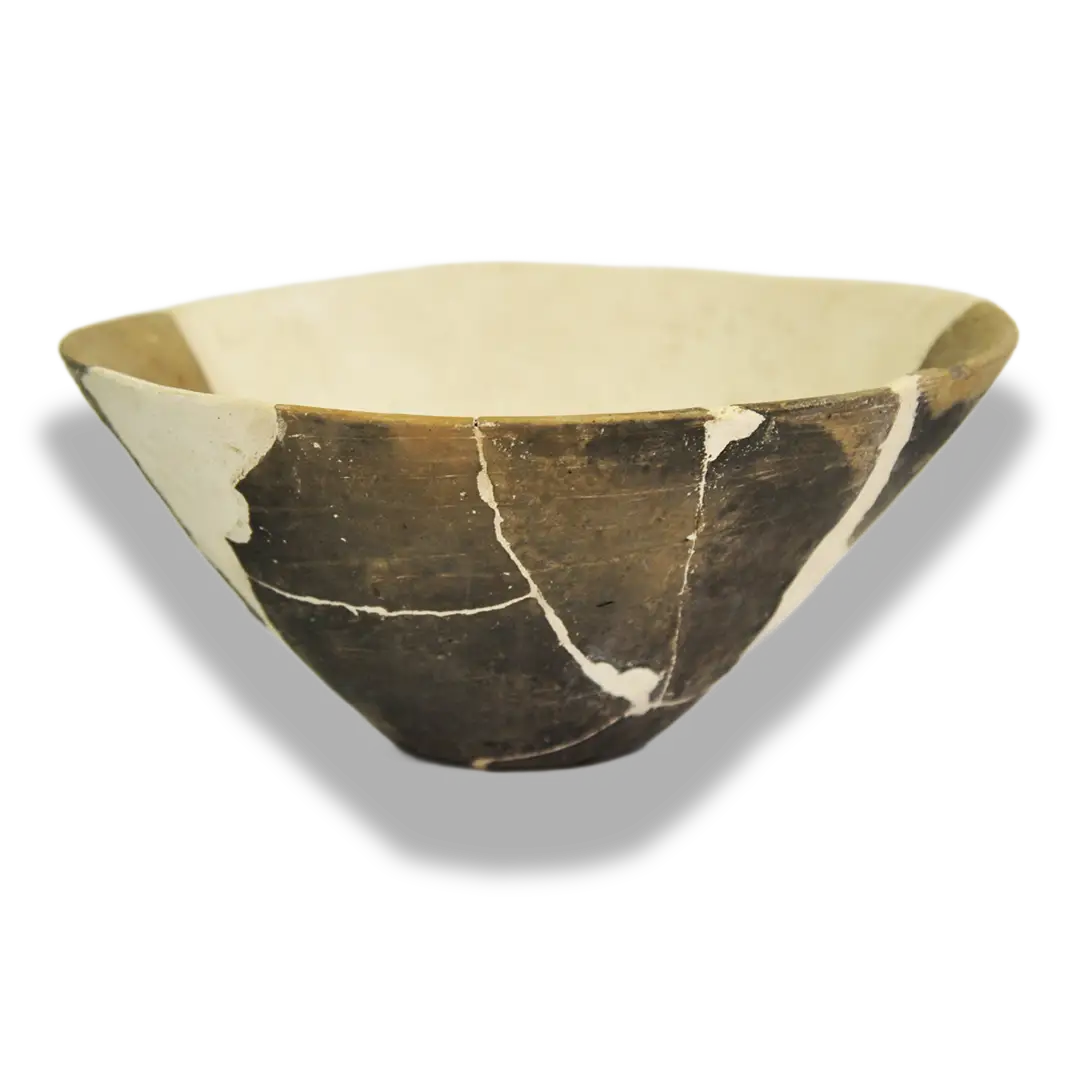
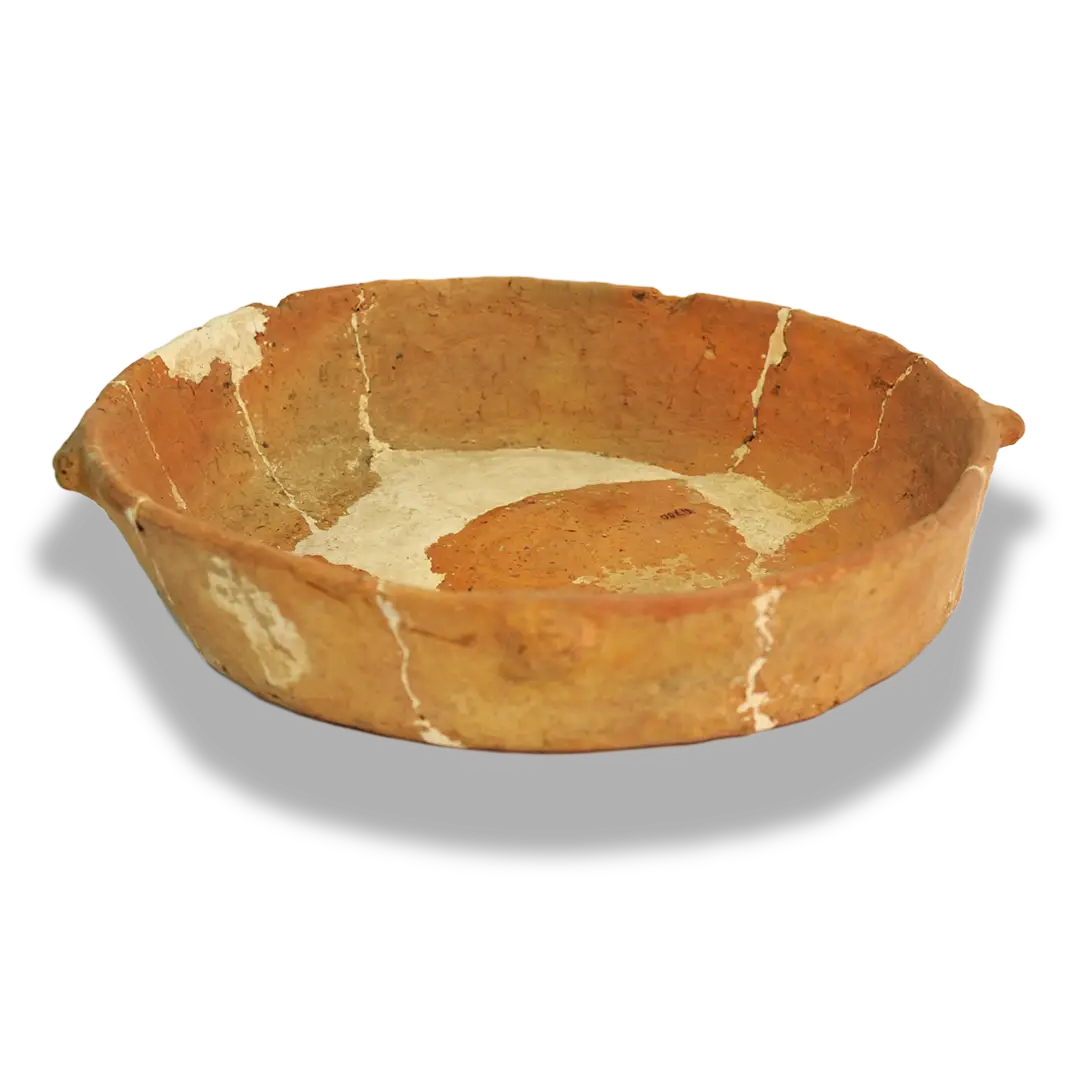
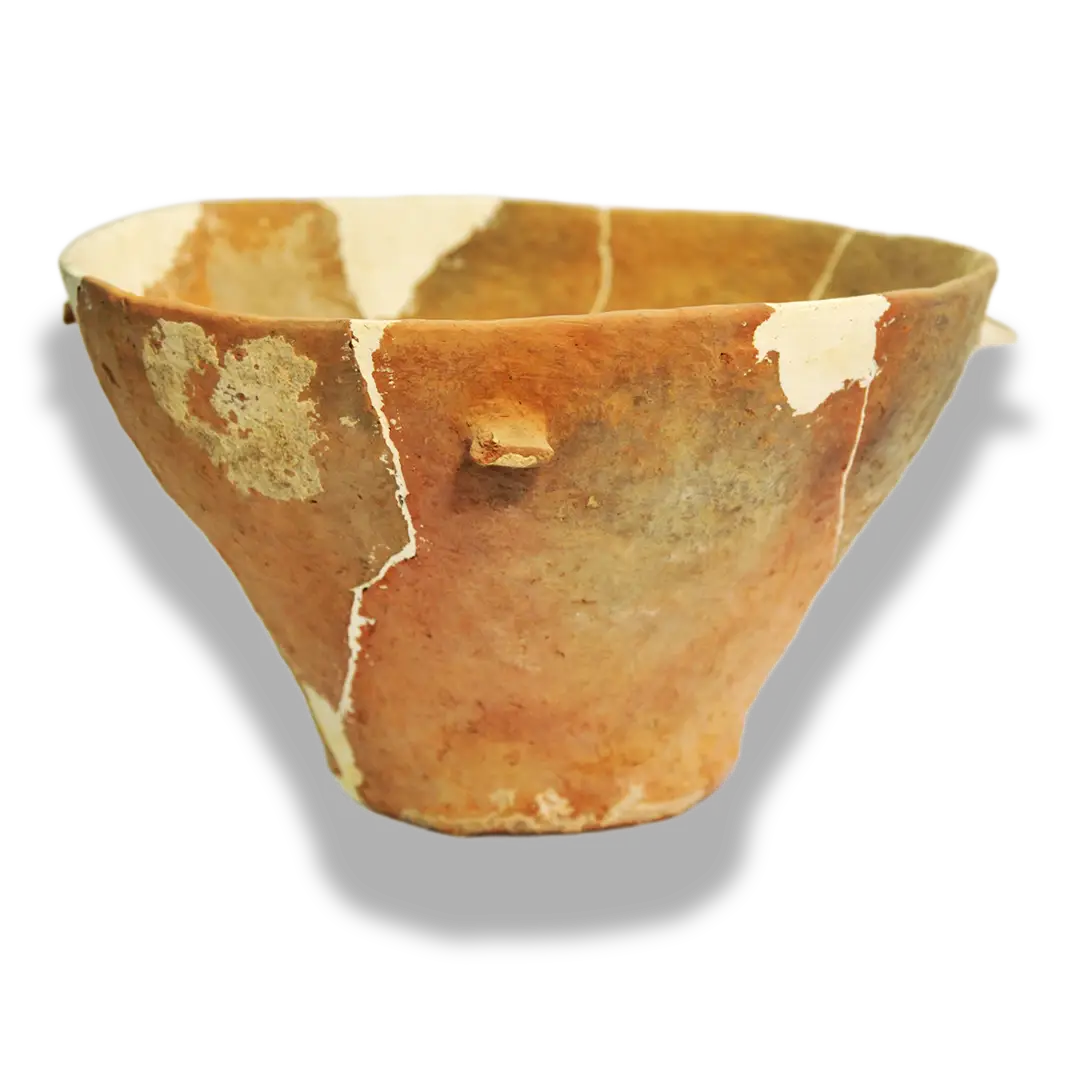
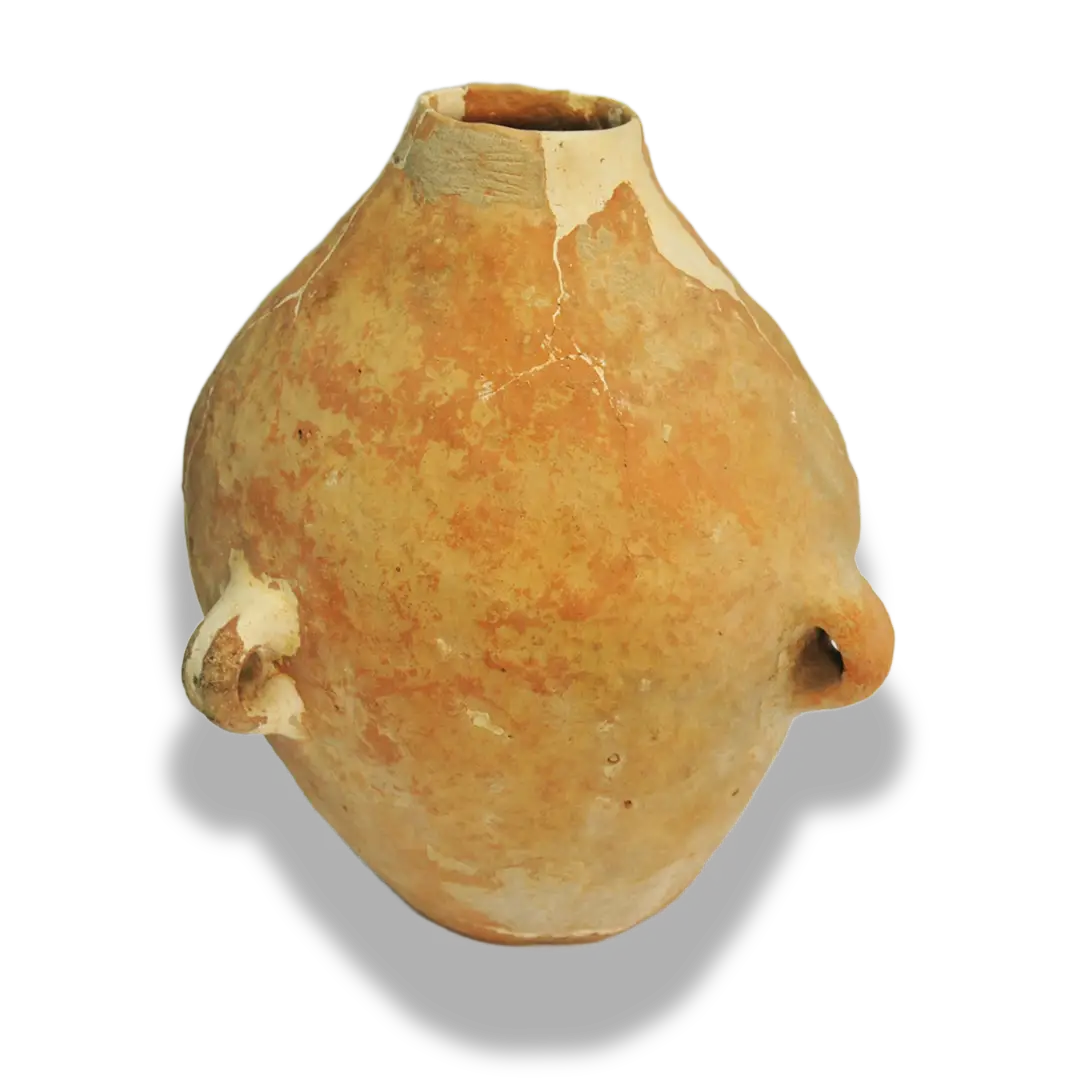
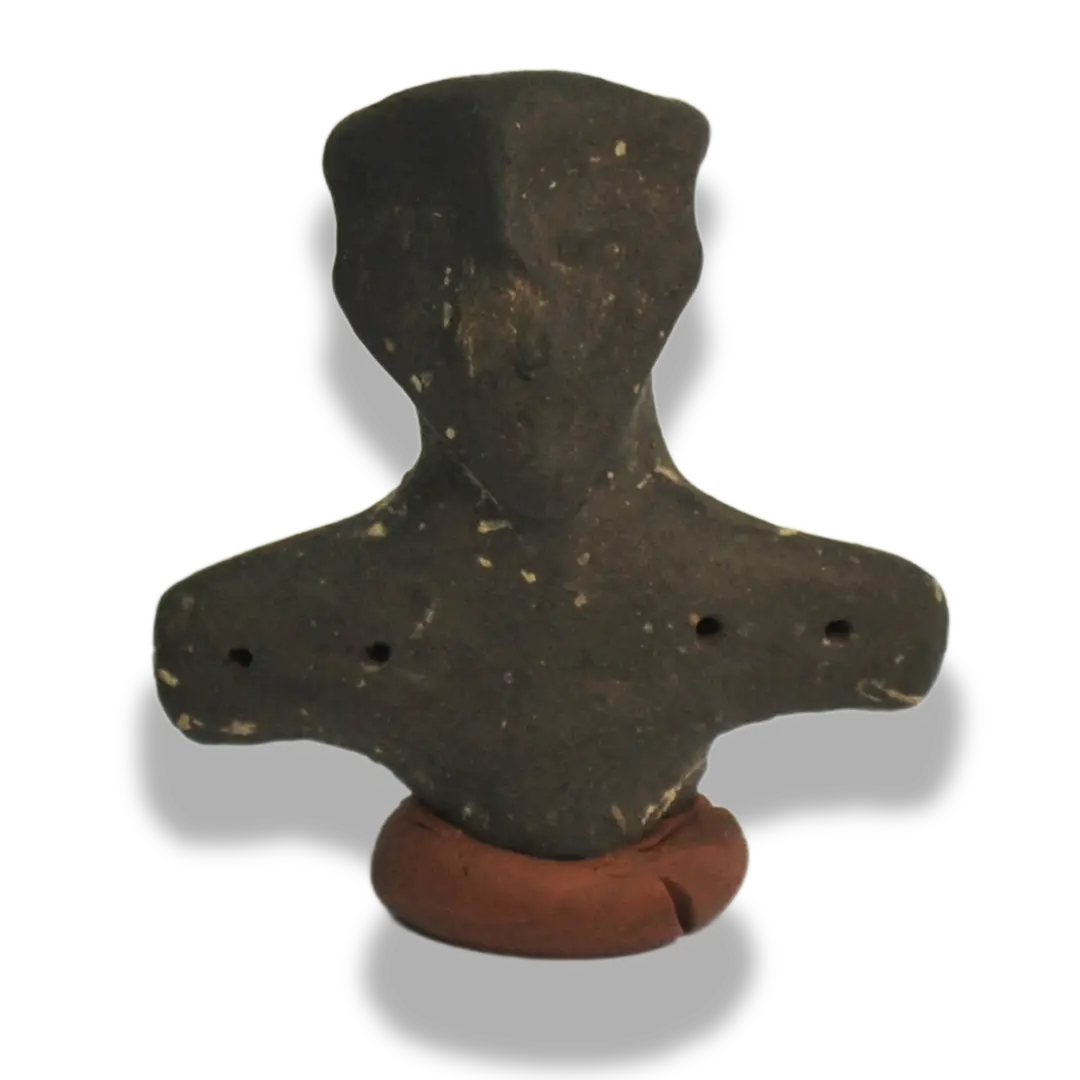
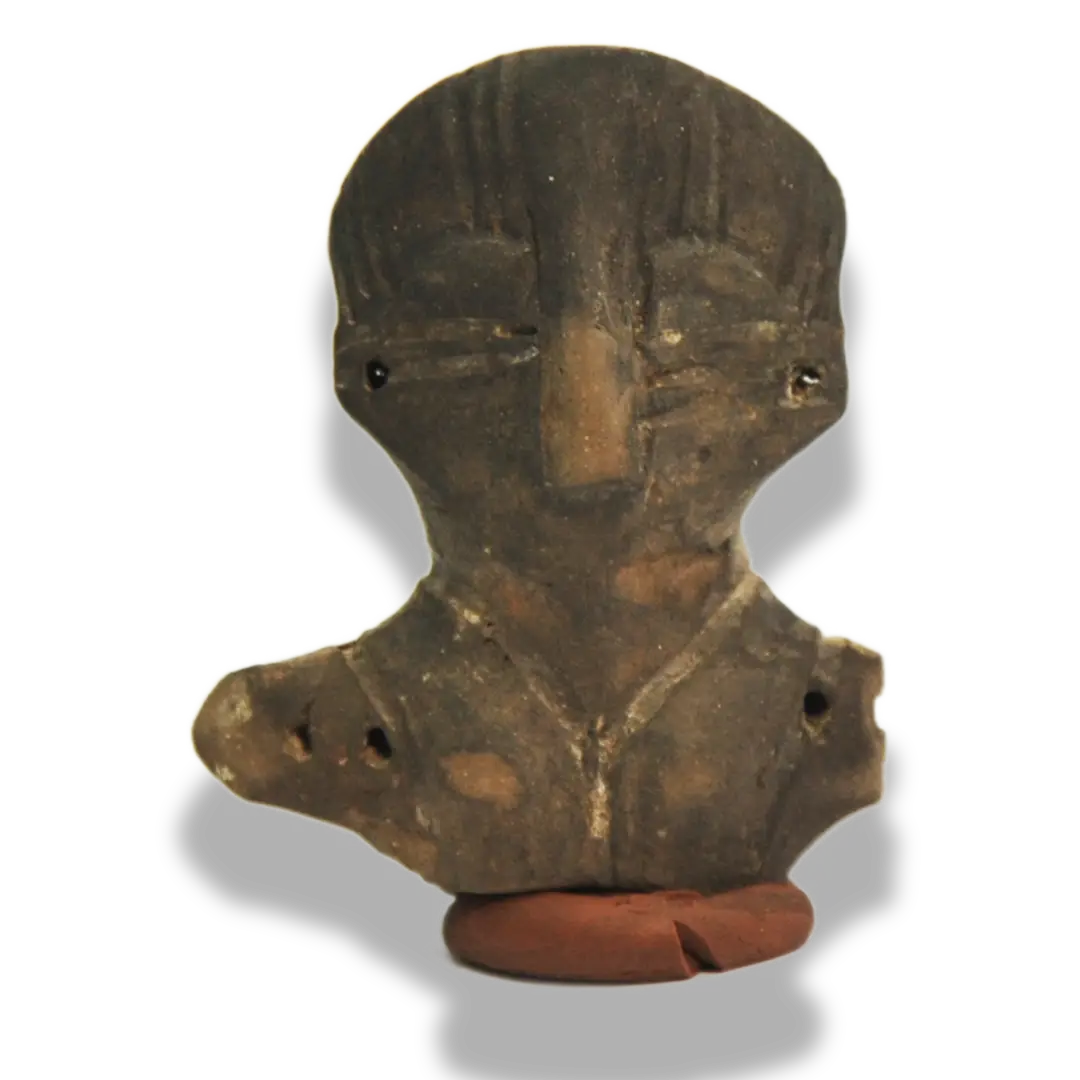
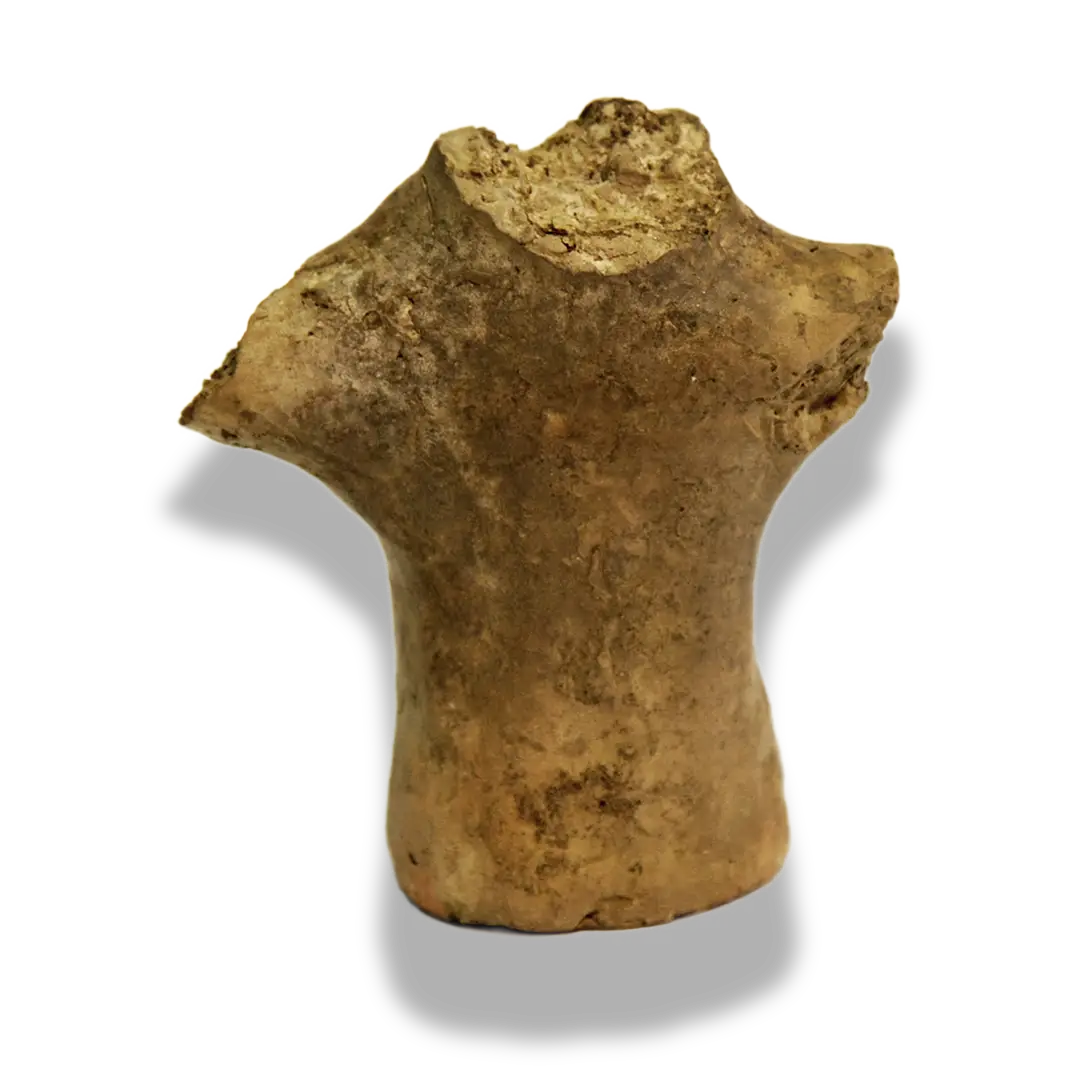
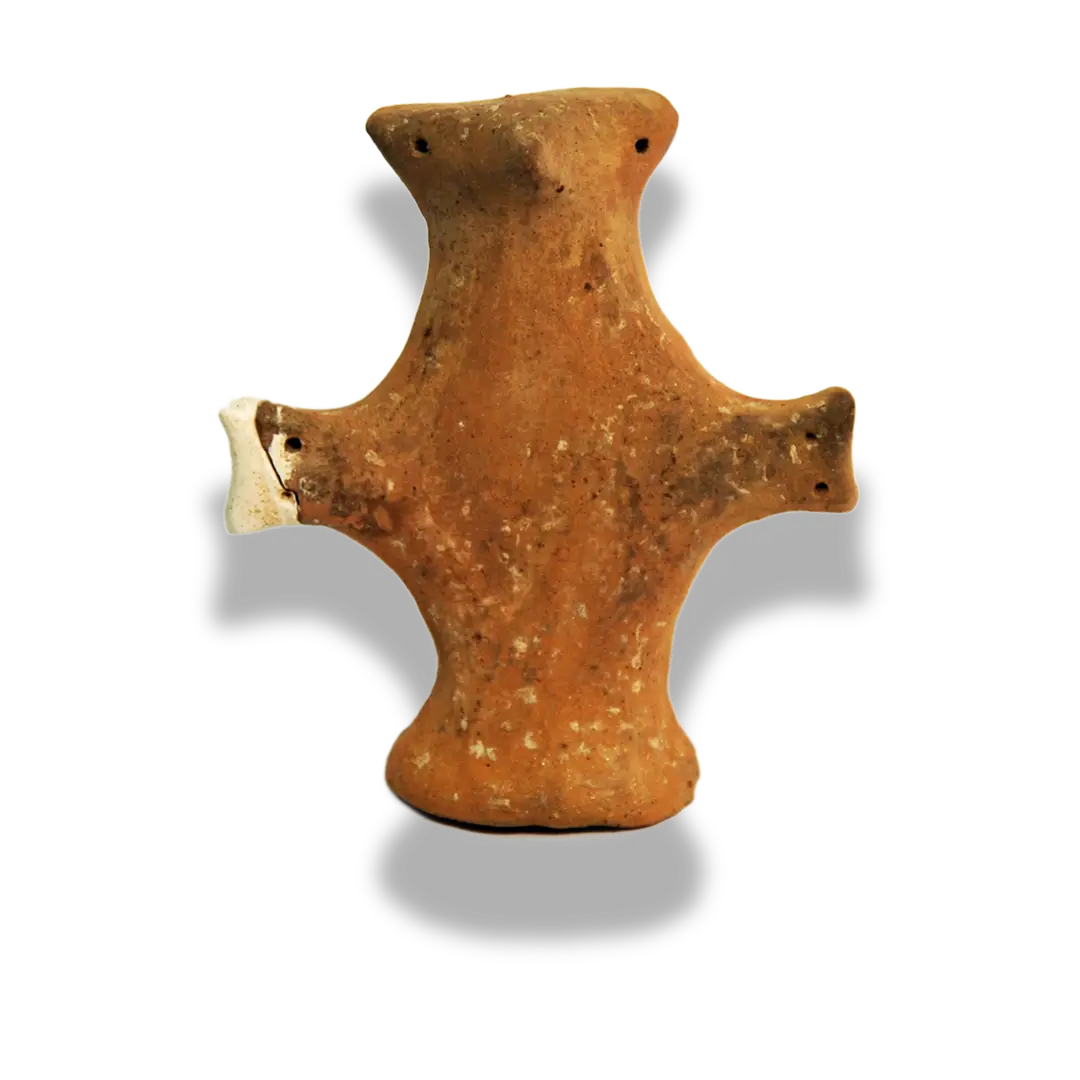
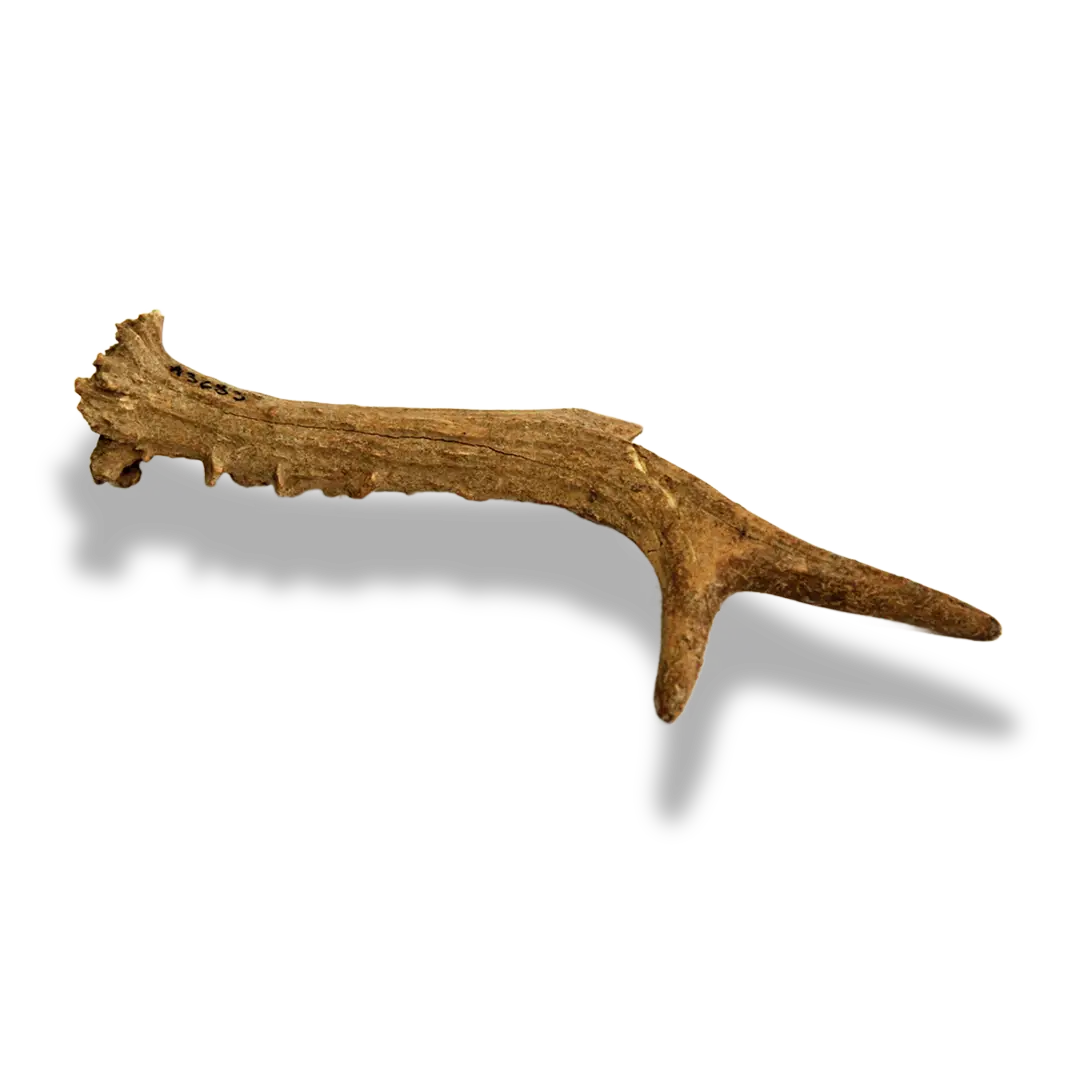
The most numerous finds consist of high-quality pottery fired in a reducing atmosphere and often decorated with fluting. The most commonly used vessel types include amphorae, pots, bowls, and baking pans. Ritual objects include anthropomorphic and zoomorphic figurines in both standing and seated forms. A large number of bone and stone tools were also discovered.
The exhibition presents 36 artifacts from the Archaeological Collection of the National Museum of Pančevo. All exhibited objects originate from the systematic archaeological excavations of the Neolithic settlement of Ugar–Bajbuk in Opovo, carried out in cooperation between the National Museum of Pančevo, the University of Novi Sad, and the University of California, Berkeley (USA), during the period from 1983 to 1989.
Archaeological investigations conducted since 1979 have identified this site as a settlement belonging to the final phase of the Vinča culture (Vinča–Pločnik phase), with pronounced influences of the Tisza culture. The settlement covered an area of approximately 5 hectares and remained inhabited for around 200 years.
The fortified settlement, surrounded by a system of circular ditches, is characterized by three construction horizons. All residential structures were built from locally available materials, and their destruction by fire enabled the excellent preservation of the archaeological remains.
The most numerous finds consist of high-quality pottery fired in a reducing atmosphere and often decorated with fluting. The most commonly used vessel types include amphorae, pots, bowls, and baking pans. Ritual objects include anthropomorphic and zoomorphic figurines in both standing and seated forms. A large number of bone and stone tools were also discovered.
The exhibition presents 36 artifacts from the Archaeological Collection of the National Museum of Pančevo. All exhibited objects originate from the systematic archaeological excavations of the Neolithic settlement of Ugar–Bajbuk in Opovo, carried out in cooperation between the National Museum of Pančevo, the University of Novi Sad, and the University of California, Berkeley (USA), during the period from 1983 to 1989.